

By clicking “Accept All Cookies”, you agree to the storing of cookies on your device to enhance site navigation, analyze site usage, and assist in our marketing efforts Cookies Policy.
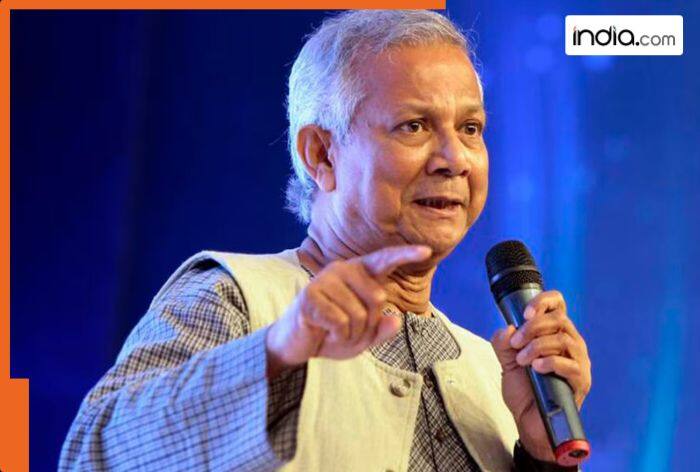
In Bangladesh, a political storm has brewed as Mohammad Yunus, the former interim government’s chief advisor, faced criticism from both allies and opponents over his recent recommendation to lower the voting age to 17. Once supported by the Bangladesh Nationalist Party (BNP), Yunus now finds the party opposing his suggestion, claiming it could disrupt the electoral process. According to The Dhaka Tribune, Yunus, who became the head of the interim government after Sheikh Hasina’s administration fell in August, proposed lowering the minimum voting age during an electoral dialogue last Friday. In a video message, Yunus argued that reducing the voting age would enable younger citizens to have a say in shaping their future.
However, BNP Secretary General Mirza Fakhrul Islam Alamgir expressed his disapproval, stating that Yunus’ proposal would necessitate the creation of a new voter list, potentially delaying the election process. Speaking at Dhaka’s National Press Club, Alamgir remarked, “People fear this move might waste more time and cause further delays in the election process.”
While Alamgir dismissed the notion that Yunus was intentionally trying to stall elections, he criticized the chief advisor for making such a significant recommendation without consulting key stakeholders. Alamgir emphasized that Yunus’ proposal could impose undue pressure on the Election Commission. “As the chief executive, your words carry weight, and this suggestion could compel the Election Commission to act,” he said.
The BNP leader argued that decisions regarding changes to voting age should be left to the Election Commission, which could deliberate and consult political parties before arriving at a consensus. Alamgir reaffirmed that the current voting age of 18 years is widely accepted across the nation.
Adding to the controversy, Yunus hinted during his Victory Day address on December 16 that elections might be held between late 2025 and early 2026. He stated, “Broadly speaking, elections could be scheduled between the end of 2025 and the first half of 2026, following updates to the voter list.”
The proposal has sparked significant debate in Bangladesh, with critics questioning the feasibility and timing of such a change amid political tensions and the country’s preparations for the next general election.
For breaking news and live news updates, like us on Facebook or follow us on Twitter and Instagram. Read more on Latest World News on India.com.