

By clicking “Accept All Cookies”, you agree to the storing of cookies on your device to enhance site navigation, analyze site usage, and assist in our marketing efforts Cookies Policy.
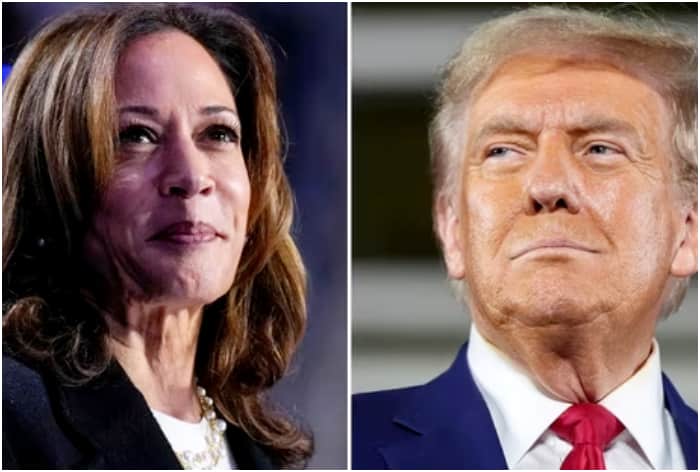
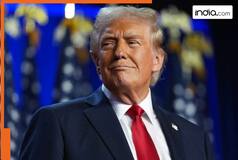
Donald Trump once again succeeded in earning the trust of the people and emerged as the President of the United States, securing a decisive win with 277 electoral votes. While addressing his supporters at the Florida Convention Center, Trump hugged and kissed his wife, Melania Trump, thanking her for supporting him during his election campaign. The former US president described his impending victory as the “greatest political moment of all time.”
Here are the five main reasons why Vice President and Democratic candidate Kamala Harris fell short in her race against Donald Trump:
Economic Concerns
During this term’s presidential election, the people of America prioritized the economy as a major issue. Trump was more vocal on economic matters and a significant number of voters expressed more confidence in his economic policies compared to Kamala Harris’s. This likely swayed swing voters toward the former US president.
Lack of Trust in Kamala Harris
Trump has a voter base of white voters and also maintained strong approval among them. Here, he held a major lead over Kamala Harris. This demographic’s support proved crucial in swing states, which played a decisive role in determining the election outcome. Additionally, Trump’s stand on issues such as voter fraud liked by large number of voters, who may have placed less trust in Harris.
Disappointment with Her Speeches
During the election campaign, Kamala Harris faced criticism for her communication style. Her speeches are often described as unclear or indecisive. Harris’s tendency to give ambiguous responses during election campaigns may have disappointed voters, casting doubt on her capabilities. On the other hand, Trump’s messages were straightforward and appealing to his base.
Loss in Swing States
Trump witnessed an increase in support in swing states as compared to the previous presidential election. Harris was unable to secure strong backing in these critical states, which ultimately contributed to her defeat.
Discontent Within the Democratic Party
There’s a clear sense of disillusionment among quite a few Democratic voters towards Harris’s run for office, this is largely due to the lack of impactful leadership within the party over the past four years. This lack of clarity in fact swayed some towards considering Trump as the superior candidate, mainly due to Harris’s ambiguous policy outlines. This overall perceived deficiency in the party’s leadership could very well have stunted her ability to win hearty support among her party colleagues.