


By clicking “Accept All Cookies”, you agree to the storing of cookies on your device to enhance site navigation, analyze site usage, and assist in our marketing efforts Cookies Policy.
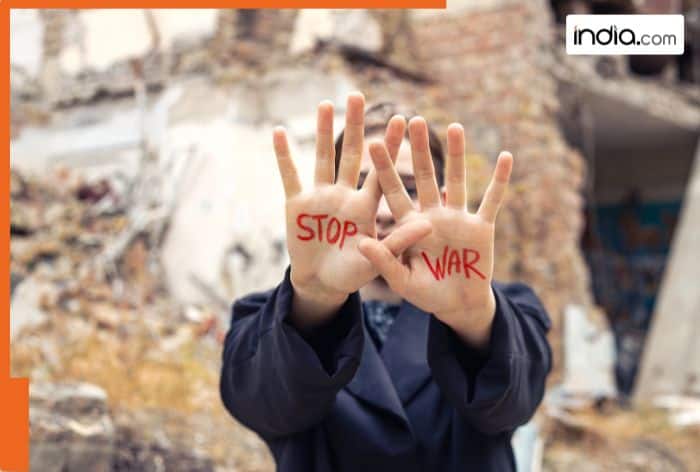
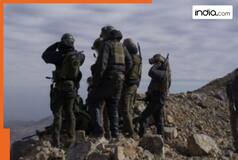
The current conflict between Israel and Hezbollah is putting even more pressure on the mental well-being of people in Lebanon, who have already faced five years of hardship from different disasters and challenges. This ongoing situation is adding to the emotional toll on residents.
On October 8, 2023, Israel and Hezbollah started exchanging heavy fire across the border, just one day after Hamas launched its attack on southern Israel.
The growing conflict and fears of a full-scale war have forced people in the south to flee their homes.
Over the past three weeks, increasing Israeli airstrikes across Lebanon have only added to the uncertainty, leaving the entire population anxious and stressed, according to AL-MONITOR’s publication on October 12.
The ongoing war and Israeli invasion have had a serious impact on the mental health of Lebanese people, both in the country and those living abroad.
People in Lebanon live in constant fear, with many suffering from significant losses. This has led to a rise in anxiety, depression, and trauma among the population.
At the same time, Lebanese expats (living abroad) are facing their own emotional challenges, feeling helpless and constantly worrying about the safety of their family and friends back home.
“The worry of being away from our families during such difficult times increases our anxiety,” said Ferial Saab, a Lebanese living in Australia, during a phone interview with Al-Monitor.Simple daily tasks, like going to work, have become difficult because we’re always thinking about what’s happening back in Lebanon. It’s hard to relax or even breathe sometimes because, despite everything, Lebanon is still our home.
The number of Lebanese living abroad is believed to be at least double the size of the population still living in Lebanon.The numbers differ, but the government estimates that over 14 million Lebanese citizens and people of Lebanese heritage live outside the country.
Several generations of Lebanese have lived through the trauma caused by ongoing conflicts.
The 15-year civil war (1975-1990) had a deep impact on the mental health and well-being of those who experienced it.Many people lost their normal childhoods, homes, and loved ones. Education and career growth came to a halt.
With another war happening, many Lebanese adults worry that their children and grandchildren will go through the same terrible experiences as past generations. They fear Lebanon might face similar destruction as Gaza, which has been under Israeli attack for over a year.
Some people are experiencing flashbacks and reminders of the July 2006 war in Lebanon between Israel and Hezbollah.
Abou Ahmad, a 67-year-old taxi driver who was forced to leave his home in Nabatieh in southern Lebanon, is now taking refuge in a school located in Bater, in the Chouf region.“This feels like a repeat of 2006,” he shared with Al-Monitor. “Back then, I came here with my wife and children, and now I’m here with my grandchildren. We’re tired of war, being displaced, and losing our homes. We just can’t afford to rebuild anymore.”
He mentioned, “I constantly feel like there’s a heavy burden on my chest, and I can’t fall asleep until early morning because I can’t stop thinking about everything.”
Mia Atoui, co-founder and president of Embrace Lebanon, the country’s mental health support and suicide hotline, spoke about the current mental health situation in Lebanon.
She explained during a phone interview with Al-Monitor that most people are dealing with generalized anxiety or depression, while many others are showing signs of severe trauma, which could quickly turn into PTSD (post-traumatic stress disorder).
Atoui shared that displaced communities are facing these issues, but even people who haven’t lost their homes and live in safer areas are also struggling. She noted that their mental health is equally impacted, with many experiencing anxiety and depression.
The belief that the Gaza war spilling into Lebanon could have been prevented has left many Lebanese feeling deeply disappointed, angry, and frustrated.
Since October 8, 2023, the fighting between Israel and Hezbollah has caused over 2,100 deaths, according to Lebanon’s Health Ministry. It has also led to widespread displacement and the destruction of entire neighborhoods in southern Lebanon, Beirut’s southern suburbs (Dahiyeh), and the Baalbek region in the east.
At the moment, people are mainly concerned with survival and getting basic necessities, which they feel should be provided by the Lebanese government and organizations linked to Hezbollah.
In these conditions, focusing on mental health is difficult, as constant fear and daily challenges take over people’s minds, leaving little space for anything else.
Myriam Zarzour, a psychiatrist and co-director of Embrace Lebanon, told Al-Monitor that the war has taken away two key elements for mental health: safety and basic needs. She added that right now, no one in Lebanon feels completely safe.
During a phone interview, she mentioned that over 1.2 million displaced people no longer have access to essential needs like food, shelter, and physical safety.When you’re worried about whether you and your family will survive the night, mental health becomes a lower priority. People are just focused on getting through each day.
Even before the current crisis, government funding for mental health services was not enough to meet the growing demand. This has created major challenges for the mental health system, including a lack of financial support from the Ministry of Public Health, not enough trained professionals, and the stigma around mental health, especially among older generations.Most mental health resources are focused in cities, making it even more difficult for people in rural areas to access these services.
As a result, nongovernmental organizations are under pressure to step in. However, Atoui explained that Embrace Lebanon, like many other NGOs, doesn’t have enough funding or staff to handle the growing demand, which has increased four times in the past three weeks.
Even before the recent crisis, Embrace Lebanon struggled with a lack of mental health professionals because of limited funding. According to Atoui, there was already a long waiting list for therapy and psychiatric services.
Atoui explained that they are currently raising funds to try to meet the growing demand, but challenges persist. Many mental health professionals have recently left the country, making the gap between supply and demand even worse.
Lebanese first responders and front-line workers are under severe mental stress as they face the difficult task of caring for the injured and recovering the dead after Israeli attacks.They put their lives on the line every day to save others, constantly facing stress and trauma from witnessing death and destruction. This ongoing exposure is causing serious mental health issues for them.
Jad Assaf, a paramedic with the Lebanese Red Cross, shared in a phone interview with Al-Monitor from the Jezzine Red Cross Center that constantly witnessing violence and loss is affecting his mental health. He explained that knowing someone trapped under the rubble could be someone’s family member—a husband, wife, parent, or child—makes the situation even harder to handle.
For Assaf, the mental strain he experiences is just as challenging as the physical risks of his job.
“We’re trained to stay strong, but when I’m sent to a bombing site in a neighborhood, my heart races, and I feel the pain for those who won’t make it,” he said.
Experts speaking to Al-Monitor highlighted several serious mental health issues caused by the current war. These include intense fear of the war and its possible outcomes, the stress of being displaced and the uncertainty of losing one’s home, as well as caring for children who are traumatized by the violence and destruction around them.
For breaking news and live news updates, like us on Facebook or follow us on Twitter and Instagram. Read more on Latest World News on India.com.