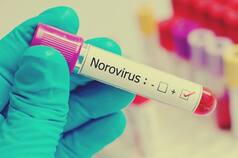

What is Norovirus? A contagious virus that is spreading fast in…

Norovirus is a contagious disease spreading fast. From symptoms to prevention, here is all you need to know about this illness.

Published: January 1, 2025 12:26 PM IST

By Jigyasa Sahay

What is Norovirus? A contagious virus that is spreading fast in...

Norovirus or the “stomach bug” is regarded as one of the highly contagious forms of virus that spreada via contaminated food and water. This causes gastroenteritis, an inflammation of the stomach and intestines. It is one of the leading causes of foodborne illness outbreaks worldwide and is notorious for its rapid spread, especially in crowded environments such as schools, nursing homes, and cruise ships. This vomiting bug may cause sudden bouts of vomiting, nausea or diarrhea.

“The most recent numbers from the U.S. Centers for Disease Control and Prevention show there were 91 outbreaks of norovirus reported during the week of Dec. 5, up from 69 outbreaks the last week of November,” reports Associated Press.

All About Norovirus

Norovirus is primarily transmitted through the fecal-oral route. This can occur in several ways:

  • Contaminated Food and Water: Consuming food or water contaminated with norovirus is one of the most common ways to contract the virus. This is particularly true for raw or undercooked shellfish and contaminated fruits and vegetables.
  • Person-to-Person Contact: The virus can easily spread from one person to another through close contact. If an infected person prepares food or shares utensils, the virus can be transmitted to others.
  • Contaminated Surfaces: Norovirus can survive on surfaces for extended periods. Touching contaminated surfaces and then touching the mouth, nose, or eyes can lead to infection.

Symptoms of Norovirus Infection

Symptoms of norovirus typically appear 12 to 48 hours after exposure and can include:

  • Nausea and Vomiting: Sudden onset of nausea and frequent vomiting are hallmark symptoms.
  • Diarrhea: Watery diarrhea can occur, often leading to dehydration.
  • Stomach Cramps: Abdominal pain and cramps are common.
  • Fever and Chills: Some individuals may experience low-grade fever, chills, and fatigue.

The symptoms usually last between one to three days, but in some cases, it possibly may persist longer, especially in vulnerable populations such as the elderly or those with weakened immune systems.

Prevention Tips

Preventing norovirus infection involves several key practices:

  • Hand Hygiene: Regular handwashing with soap and water, especially after using the bathroom and before handling food, is crucial. Alcohol-based hand sanitizers may not be effective against norovirus.
  • Food Safety: Cooking shellfish thoroughly and washing fruits and vegetables can help reduce the risk of contamination. Avoid preparing food for others if you are sick.
  • Cleaning and Disinfection: Regularly disinfecting surfaces, especially in high-traffic areas, can help prevent the spread of norovirus. Use bleach-based cleaners, as norovirus is resistant to many common disinfectants.
  • Hydration: It is essential to stay hydrated, especially if experiencing vomiting and diarrhea. Oral rehydration solutions can help replenish lost fluids and electrolytes.
    Rest: Taking time to rest and recover is vital for a full recovery.

Norovirus is a highly contagious virus that can lead to significant discomfort and disruption. Understanding how it spreads, recognising its symptoms, and practicing good hygiene can help protect you and your community from outbreaks. By taking preventive measures, you can minimise the risk of contracting or spreading this resilient virus.

Also Read:

For breaking news and live news updates, like us on Facebook or follow us on Twitter and Instagram. Read more on Latest Health News on India.com.

By clicking “Accept All Cookies”, you agree to the storing of cookies on your device to enhance site navigation, analyze site usage, and assist in our marketing efforts Cookies Policy.